
28/09/2026
Conkers, Acorns & Autumn Walks: What Dog Owners Need to Know
By Rachel Martin
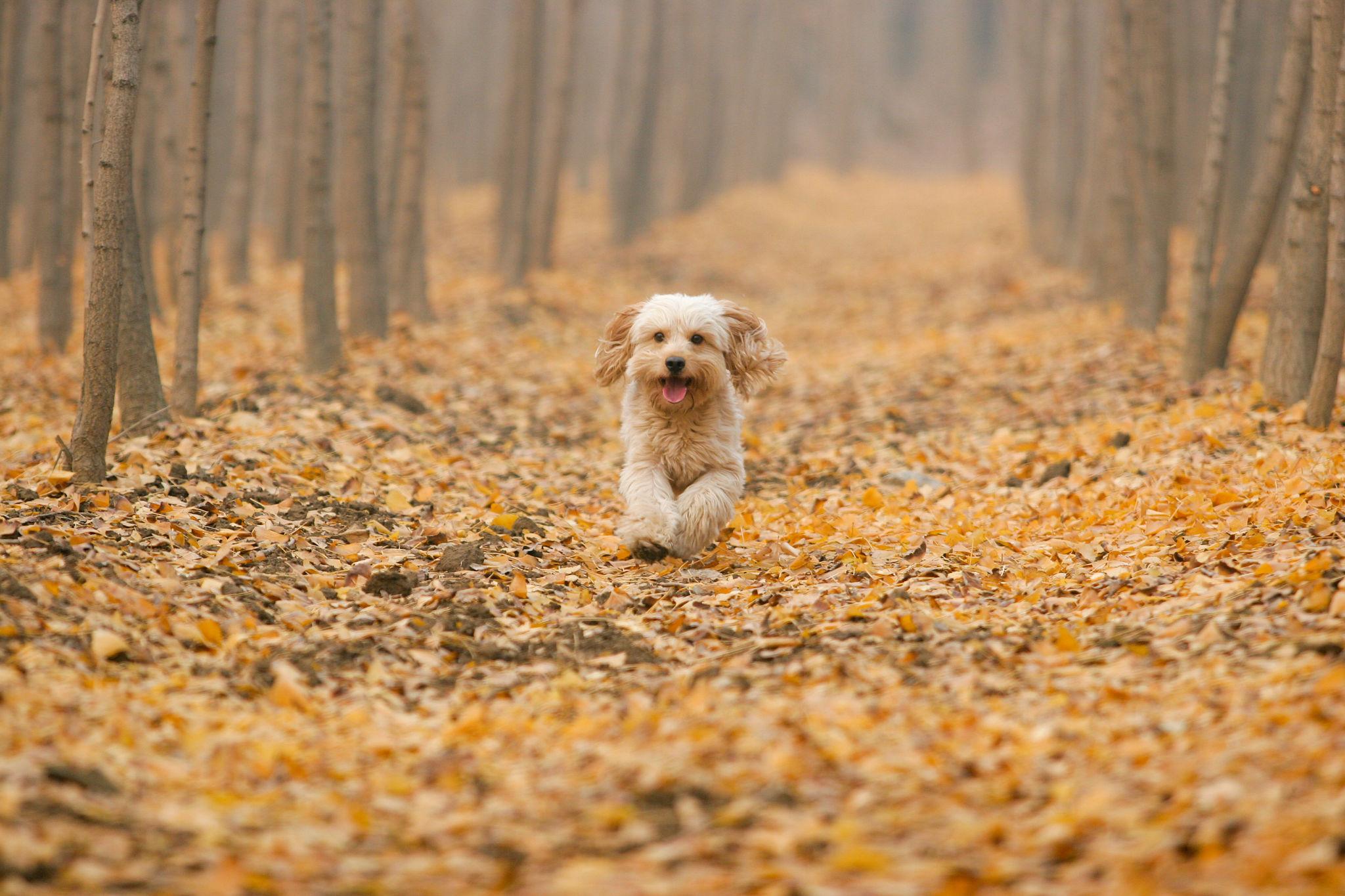
Autumn might be one of our favourite times of year for dog walks. Cooler weather, crunchy leaves, muddy woodland walks… and apparently hundreds of things on the floor that our dogs suddenly decide might be worth eating.
Two things you'll start seeing everywhere at this time of year are conkers and acorns.
They might look harmless, but they're definitely not something we want our dogs picking up for a snack.
Can dogs eat conkers?
No – conkers aren't safe for dogs to eat.
Conkers contain a substance called aesculin, which can make dogs unwell if eaten. They can also cause another problem simply because of their size and shape – if swallowed, there's a risk of them causing a blockage.
And unfortunately, to some dogs, a conker looks suspiciously like a brilliant new ball.
If your dog is the type who likes picking absolutely everything up on a walk, it's worth keeping a particularly close eye on them when you're walking around horse chestnut trees.
What about acorns?
Acorns aren't something dogs should be eating either.
They contain tannins, which can cause stomach problems and potentially more serious illness if enough are eaten.
There's also the physical risk of swallowing them, particularly for smaller dogs.
One acorn on the ground might not look particularly interesting to us, but dogs don't always have quite the same standards when it comes to deciding what counts as food.
It's not just conkers and acorns
Autumn brings loads of brilliant new smells for dogs, but it also means there's a lot more appearing on the ground.
Mushrooms and fungi start popping up, fallen fruit can begin fermenting and woodland floors become full of things that curious dogs may want to investigate.
We're absolutely not suggesting stopping your dog from sniffing – we're big fans of letting dogs properly explore and use their noses on walks.
It's just worth paying a little more attention to what they're actually putting in their mouth.
This is where “leave it” and “drop” can really help
Teaching your dog a reliable leave it or drop isn't only useful when they've stolen something from the house.
It can be incredibly handy on walks too.
Rather than only practising when your dog already has something they shouldn't, practise at home with safe objects and rewards. That way, you're building the behaviour before you actually need it.
And if your dog's idea of “drop” is currently run in the opposite direction while making you chase me, you probably aren't alone.
What should you do if your dog eats something?
If you think your dog has eaten a conker, acorn, unknown mushroom or something else you're concerned about, contact your vet for advice rather than waiting to see what happens.
If possible, make a note of what they ate, roughly how much and when it happened. If it's something you can't identify, taking a photo can also be useful when speaking to your vet.
Enjoy autumn – just keep an eye on what's under those leaves
There's no reason to avoid autumn adventures.
In fact, cooler temperatures, woodland smells and piles of leaves can make this one of the best times of year to get outside with your dog.
Just keep an eye on what they're investigating, practise that all-important “leave it”, and maybe don't trust the dog who suddenly goes suspiciously quiet behind you.
We know that silence.
At House of Paws Retreat, we love giving our guests plenty of opportunities to walk, sniff and explore while keeping a close eye on what they discover along the way.
Because sometimes the best part of a walk is letting them stop and sniff absolutely everything.
Just preferably without eating it.
House of Paws Retreat – a little retreat with all the comforts of home.
Ready for your dog's stay at the retreat?
Calm, council-licensed home boarding and day care in Chesterfield — maximum four guest dogs at a time.